
How my journey began
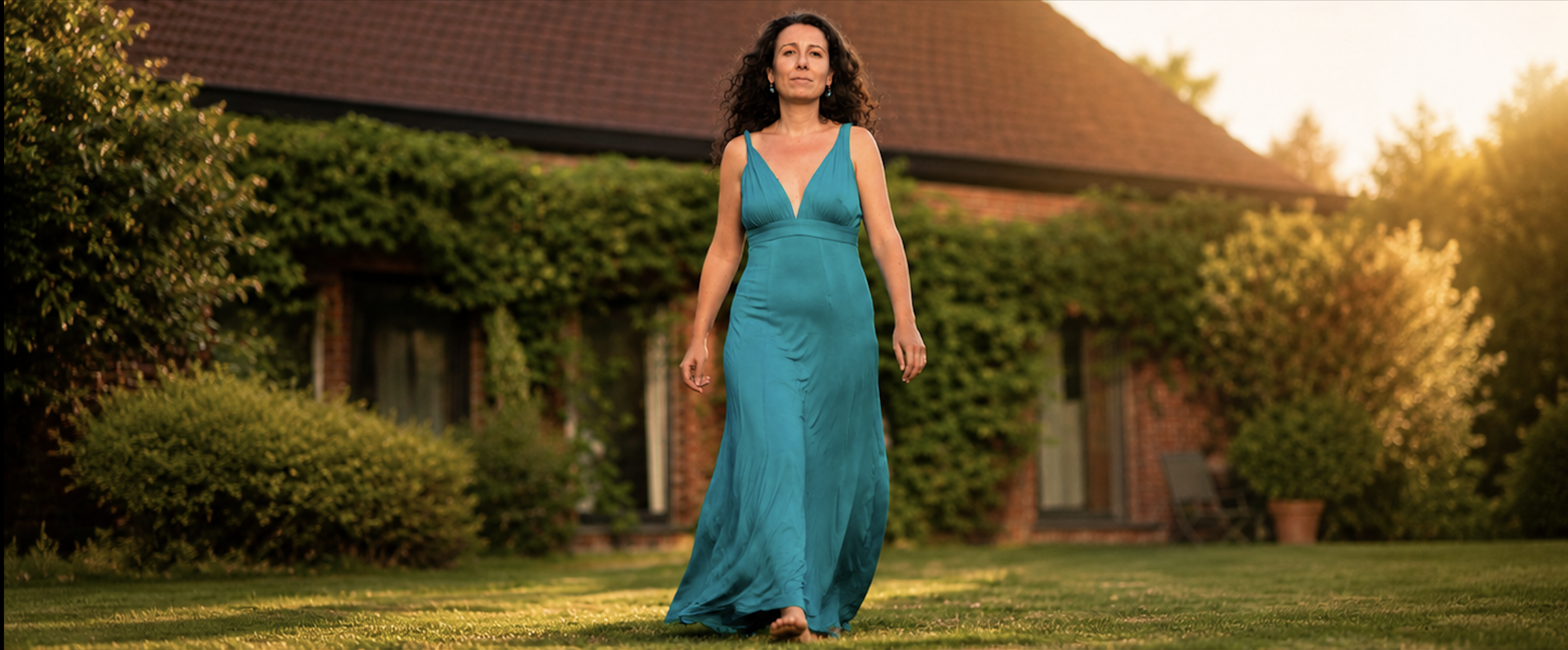
For a long time, I searched for a sense of home in the outside world.
Not only in places, but also in relationships, achievements, responsibilities, and the roles I took on for others.
I learned to adapt quickly. After losing my mother at a young age and growing up with limited emotional support, I became highly independent and responsible. I learned how to keep going. What I didn't learn was how to listen to myself.
Like many of the people I work with today, I became good at functioning. Less good at knowing what I needed.
Years later, a burnout forced me to stop. I could no longer continue in the same way.
What followed wasn't a dramatic transformation or a single breakthrough. It was a gradual process of slowing down, questioning old patterns, and learning to relate to myself differently.
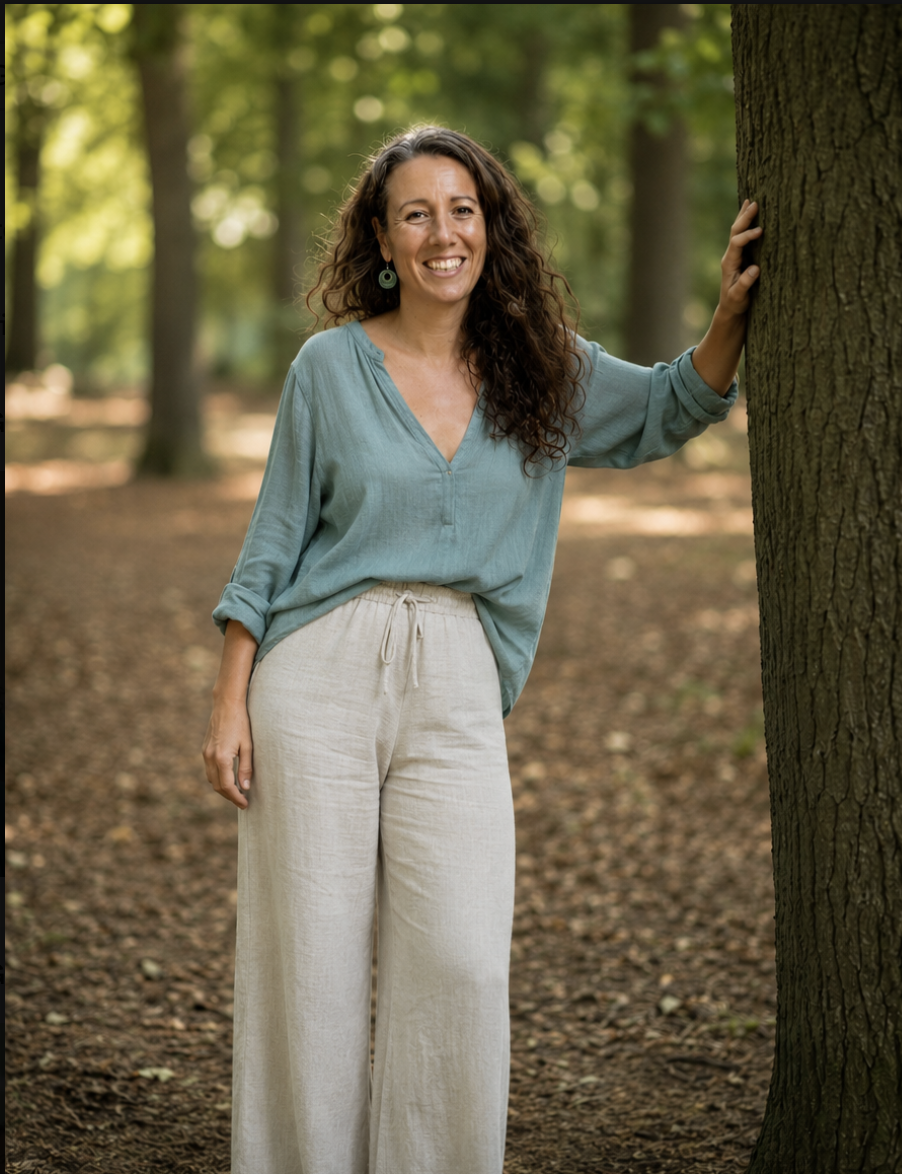
Part of that journey led me to leave behind what was familiar and spend years living and working between countries, cultures and communities.
What started as a sabbatical became a different way of life.
Again and again, I found myself letting go of old identities, starting over, building new connections, and asking questions that don't have simple answers:
Who am I when familiar roles fall away?
What does belonging really mean?
How do I stay connected to myself when everything around me is changing?
Those questions continue to shape both my life and my work.
Looking back, many of the things I feared most, like loss, uncertainty, starting over, became some of my greatest teachers.
They taught me that strength isn't about holding everything together. It's about being willing to meet life as it is, even when we don't have all the answers.
The older I get, the less interested I am in quick fixes or perfect solutions. I'm more interested in honest conversations, meaningful relationships, and the small shifts that can change the direction of a life.
That understanding shapes how I live, how I relate to others, and the work I do today. While my path has taken me across different countries, cultures and communities, the most important journey has been learning to feel at home within myself.
It's a journey that continues.
And one I'm grateful to share with others.
Approaches
Integrative Psychotherapy
Couples Counseling
Psychodrama
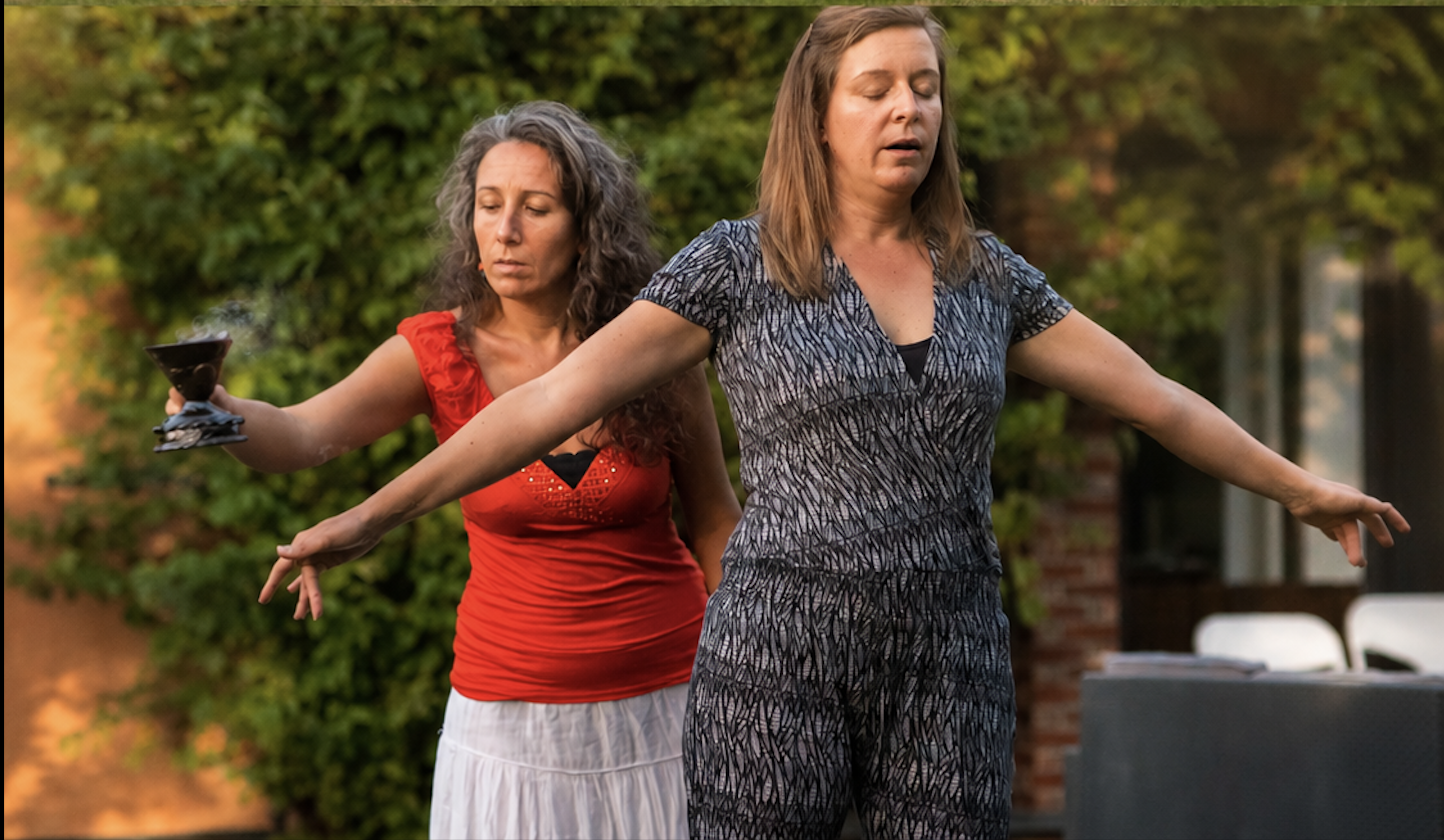
Dance & Movement Therapy
Creative Arts Therapy
Family Constellations
Embodied & Experiential Methods
Professional Background
International Collaborations
UNITEC – Department of Psychology (Honduras)
Sensodanza – Dance Therapy Diploma Program (Mexico)
EDRA – Community Mental Health Centre (Greece)
Kom Op Tegen Kanker – Cancer Support Organisation (Belgium)
Fundación Coindecom – Social Development Foundation (Colombia)
Kapululangu Aboriginal Women's Law and Culture Centre (Australia)
Life Transitions & Personal Growth
Relationships & Attachment Patterns
Self-Worth & Emotional Wellbeing
Burnout, Stress & Emotional Overload
Identity, Belonging & Cross-Cultural Challenges
Personal Development for Expats, Nomads & Global Citizens
Credentials
Education
MA in Social & Cultural Sciences
Four-year Training in Integrative Psychotherapy
Additional Training
Psychodrama
Dance & Movement Therapy
Creative Arts Therapy
Family Constellations
Couples Therapy
Professional Membership
VVTIV (Belgium), affiliated with the European Association for Psychotherapy (EAP)
Areas of Expertise
Let's start with a conversation.
You don't need a crisis, a diagnosis, or a perfect explanation to reach out.
Just a willingness to explore what is happening and what might be possible.